
A millennium of history before our eyes
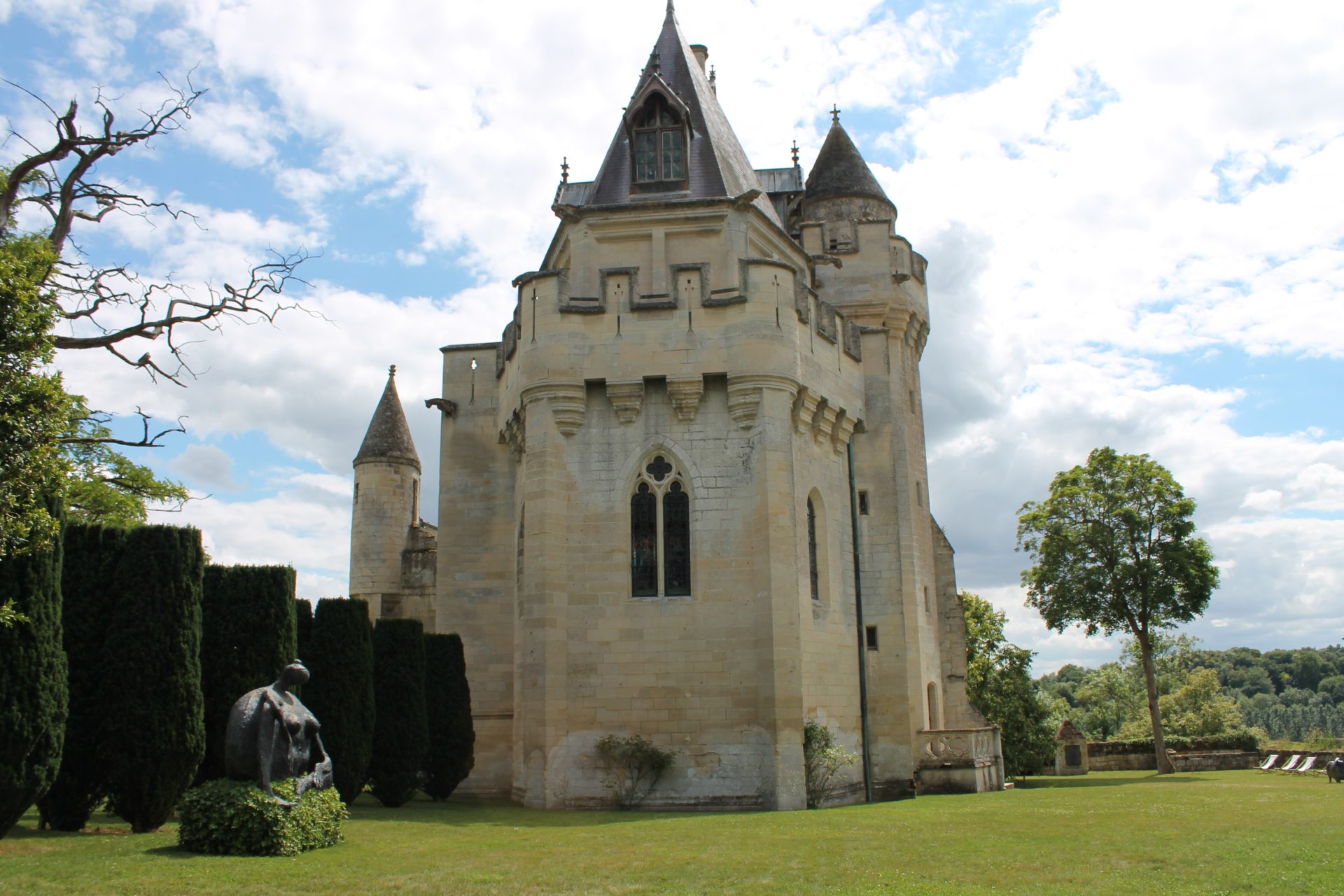
Classified as a Historical Monument in 1906, the Vez Keep is a must-see heritage site in the Oise region. A true medieval fortress, the Vez Keep became a space dedicated to contemporary art in the 1980s. Housing a collection of monumental sculptures, the keep and its contemporary garden, awarded the "Remarkable Garden" label by the Ministry of Culture in 2007, benefit from an original approach that combines site-specific installations with feudal architecture.
The Vez Keep combines heritage and modernity, like an interstice between the medieval and contemporary eras.
History and architecture
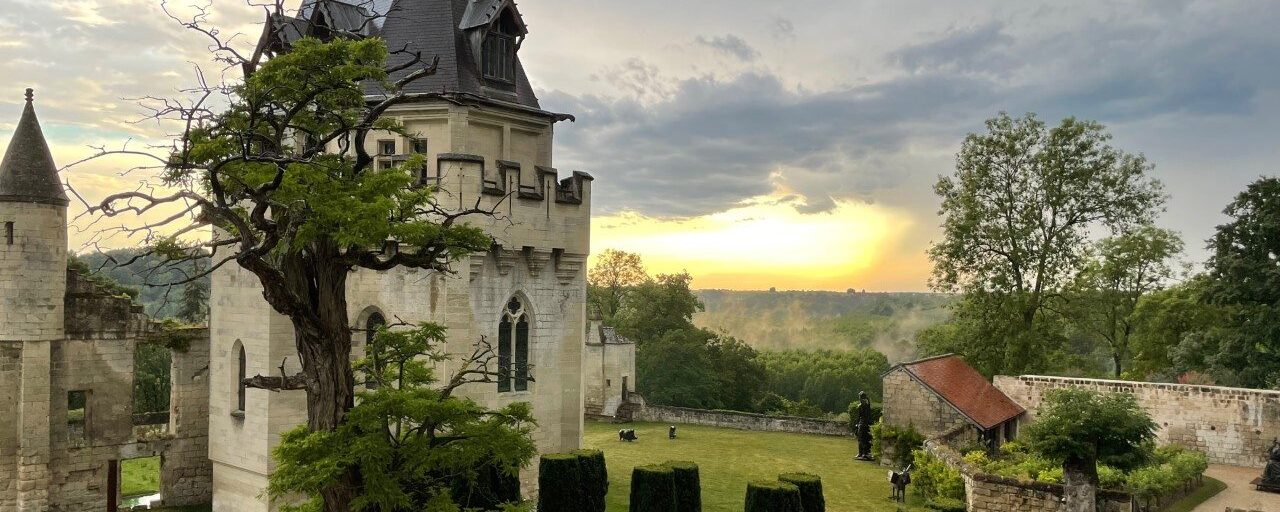
In the heart of the Automne Valley, the estate's origins date back to the 13th century , when Philip Augustus, King of France, granted the lands of Vez to the knight Raoul Duchemin (known as Raoul d'Estrées) as a reward for his bravery at the Battle of Bouvines. Duchemin built a first three-story manor house there, of which only the ruined chimneys remain, along with an adjacent chapel. Destroyed in 1358 during the Jacquerie uprising, the manor house was rebuilt by Hector de Vez.
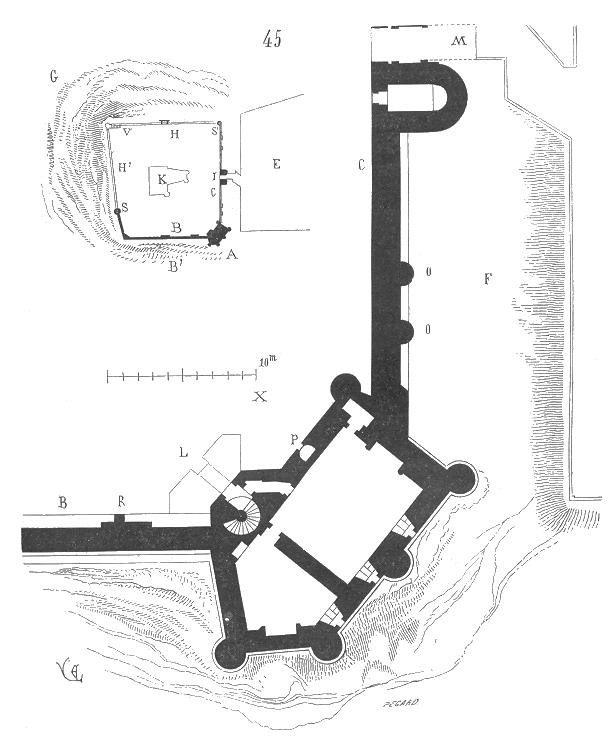
At the end of the 14th century , his son Jehan de Vez joined forces with Louis I of Orléans (brother of King Charles VI and lord of Valois) to erect the pentagonal keep and a ring of ramparts encompassing the remains of the original castle.
Local tradition also associates the site with the memory of Joan of Arc – the “Joan of Arc Tower” on the ramparts pays homage to her – although her arrival or stay in the castle is a matter of popular legend.
The history of the place was enriched in the 19th and 20th centuries thanks to new owners.
Léon Dru, a French engineer, acquired the Château de Vez in 1884. A great patron of the arts, he bequeathed significant sums of money to the State upon his death, enabling the repurchase of the Château d'Azay-le-Rideau and the acquisition of works by Chardin for the Louvre Museum.
After the First World War, Eugène Barbier took over the estate and set about transforming it into a modern residence with the comforts of his century, while scrupulously preserving the feudal aspect of the fortress.


The dungeon
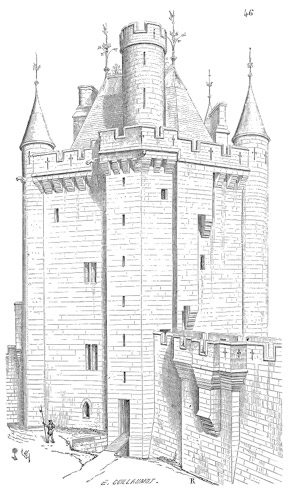
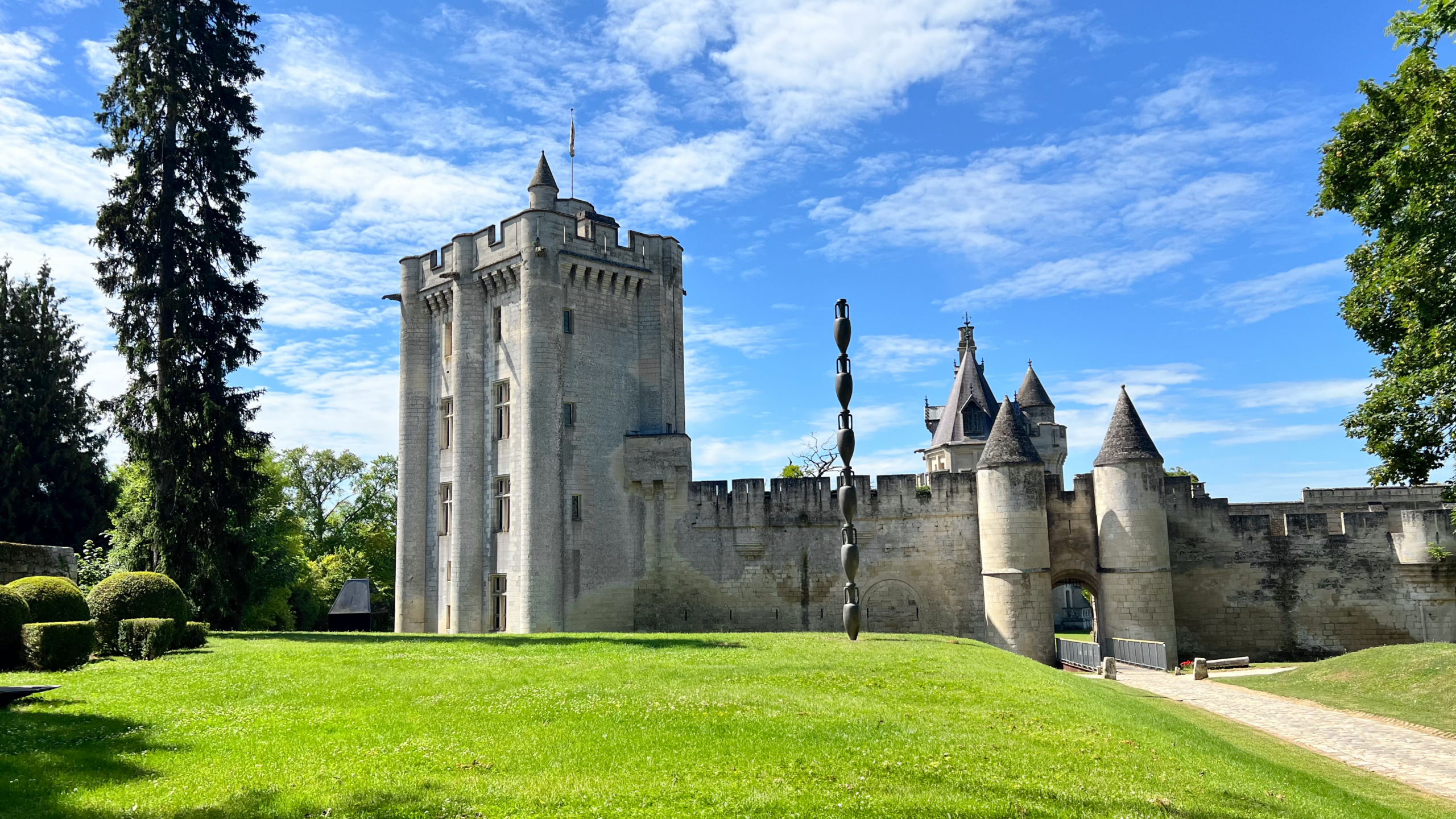
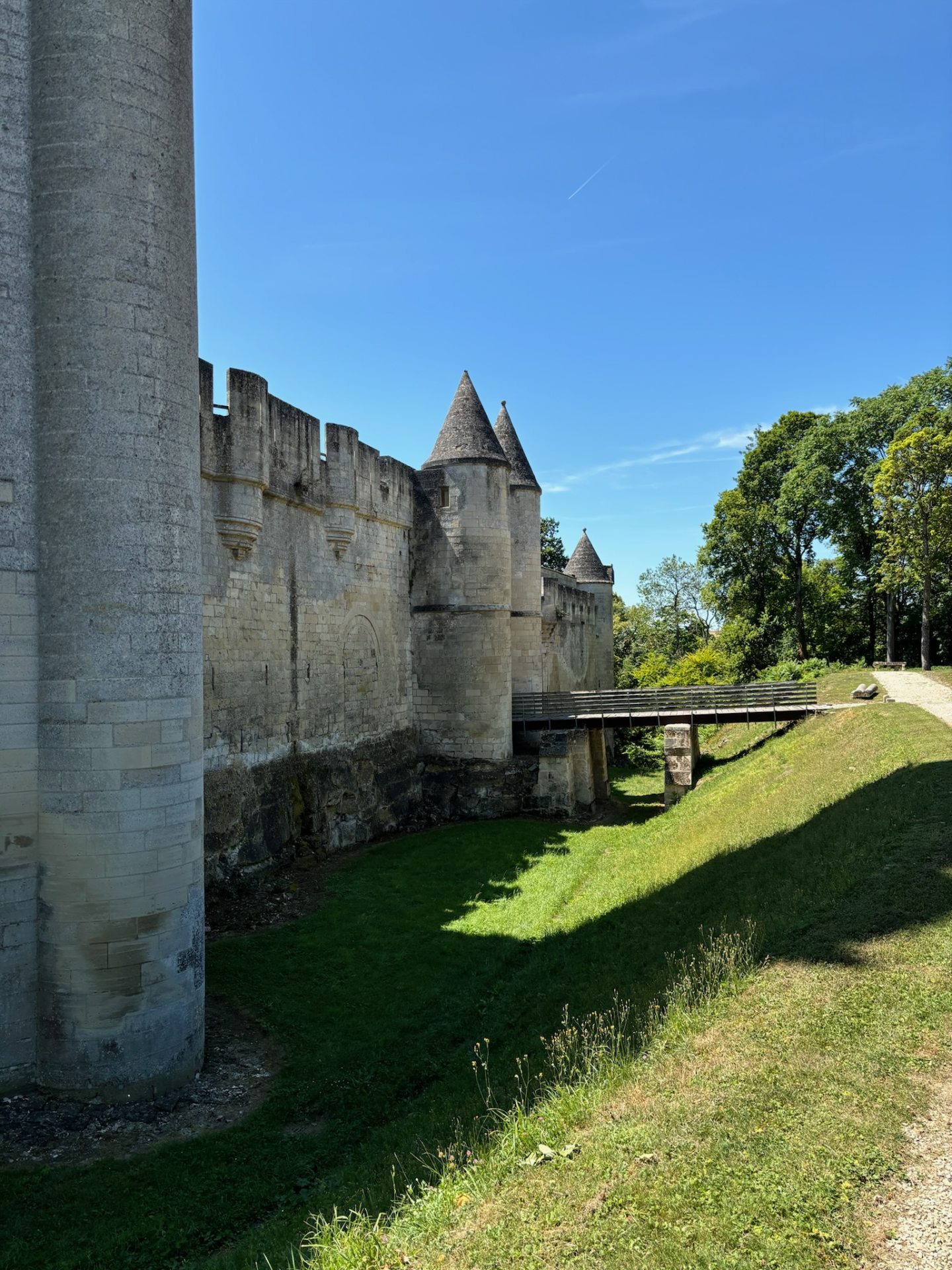
Standing 27 meters tall, the keep is primarily a deterrent structure, designed to dominate the landscape and assert the lord's power. Its very thick walls, accompanied by a moat and solid masonry cylinders, impose a monumental presence. Although the keep served mainly as a symbol of prestige and a strategic point, it did incorporate some defensive features: its machicolations and arrow slits provided direct protection for the building, while the curtain walls, rising to a height of thirteen meters, offered rapid access to exposed sides.
The chapel
At the center of the enclosure, the original chapel preserves the memory of Simon de Vez (represented on a stained glass window and a sculpted tympanum), Count of Valois, Vexin and Amiens. It houses several items of interest.
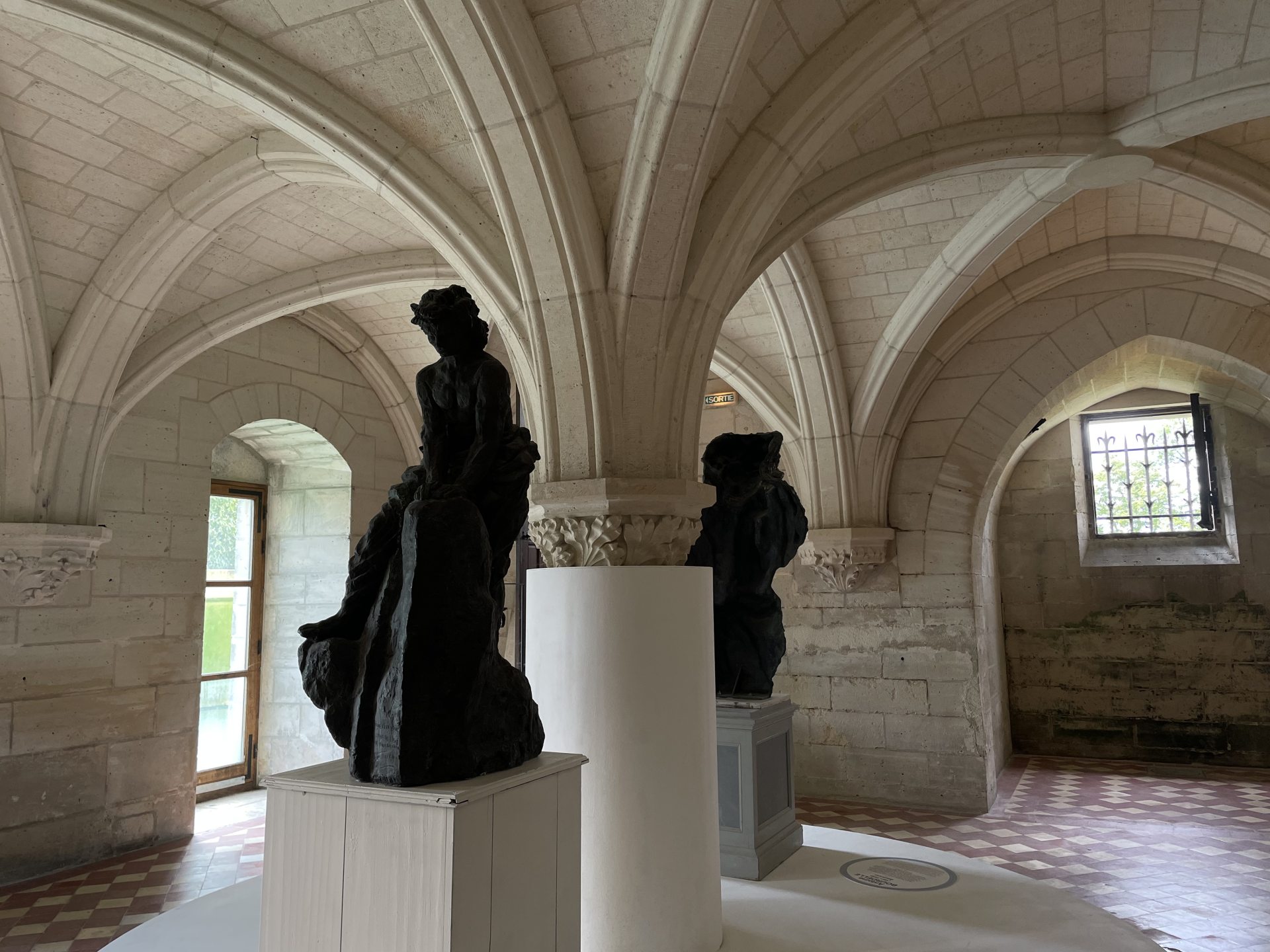
The crypt is a remarkable vaulted room in the basement.
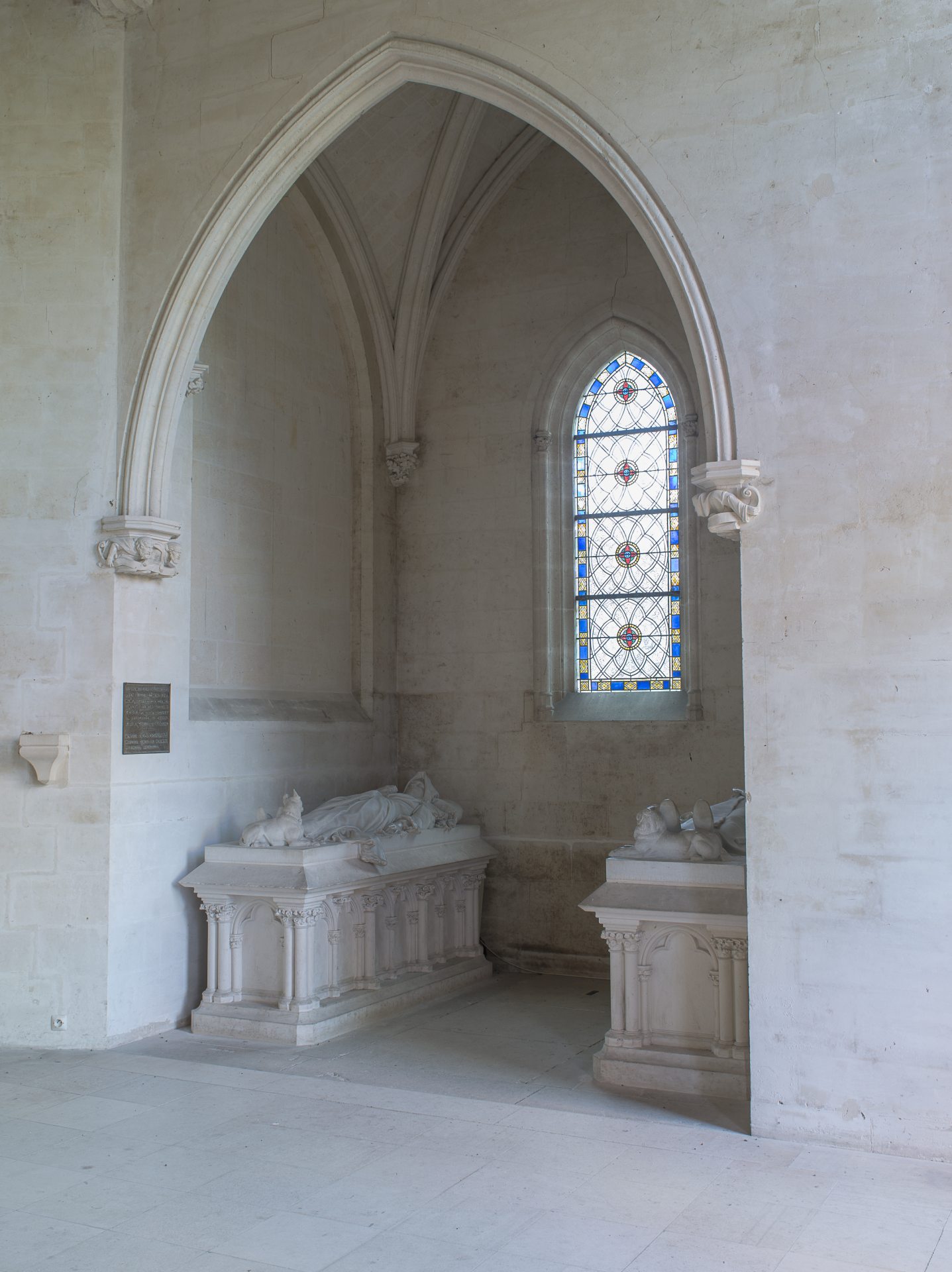
The nave houses magnificent baptismal fonts from the church of Morcourt, as well as the white marble effigies of Léon Dru (former owner and state patron for the purchase of the Château d'Azay-le-Rideau) and his wife. These masterpieces are the work of sculptor Emmanuel Frémiet, renowned for his famous depiction of the tip of Mont Saint-Michel.
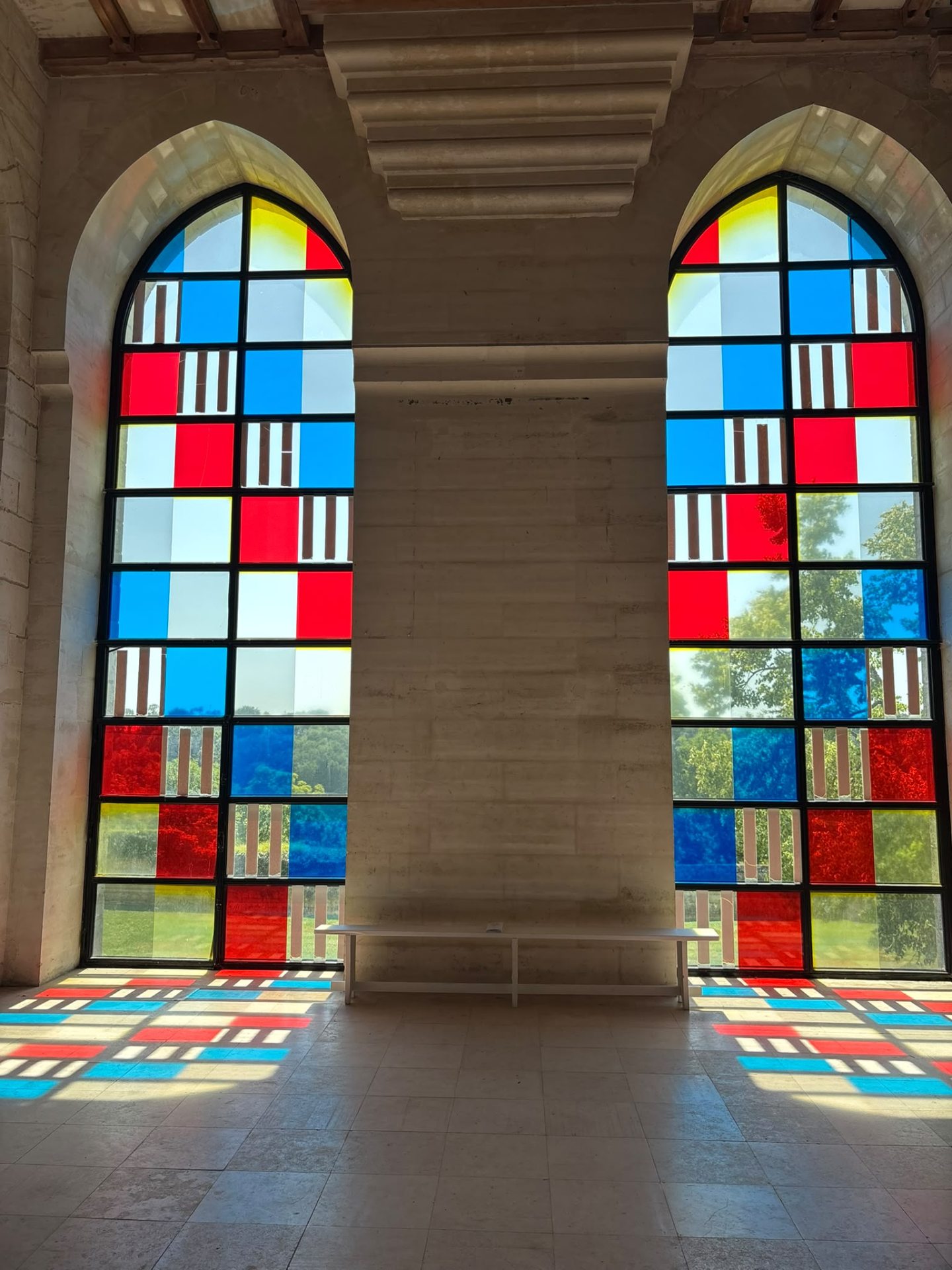
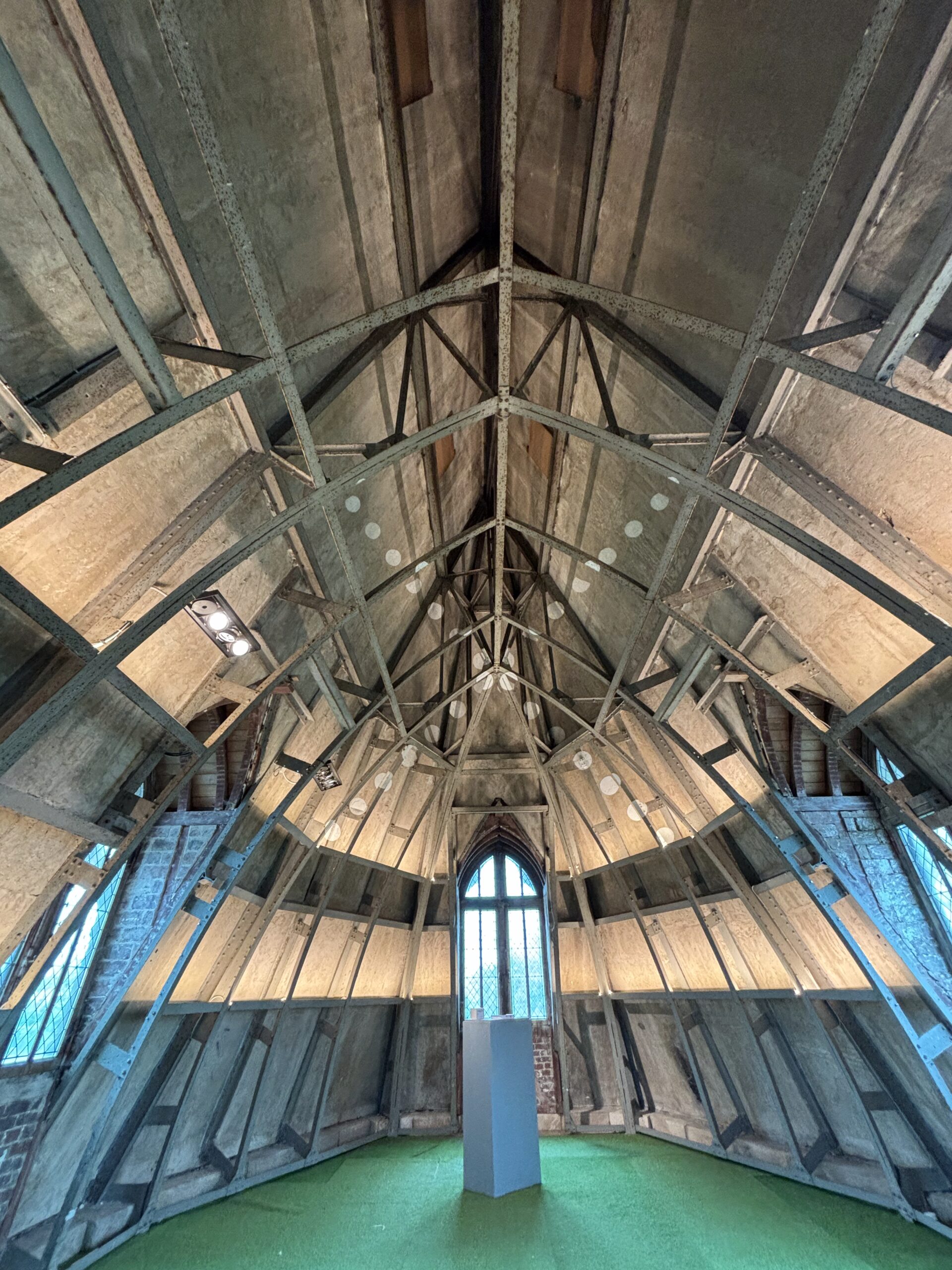
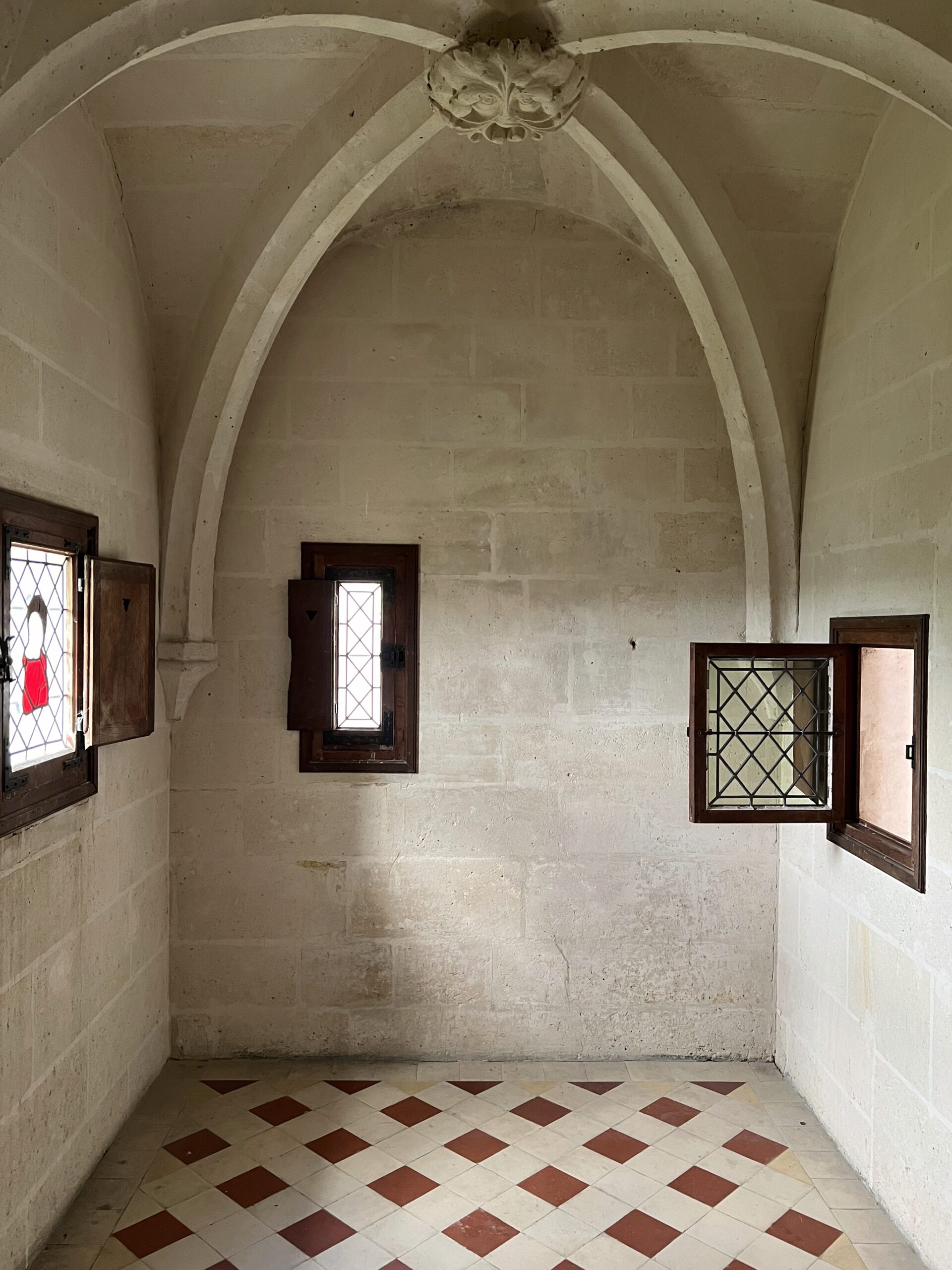
The spiral staircase leads to a small oratory, then to the guardroom with its 16th-century carved walnut door. Above is the Eiffel Room, whose metal barrel-vaulted frame was crafted by the workshops of the renowned engineer Gustave Eiffel.
The Bourdelle Court
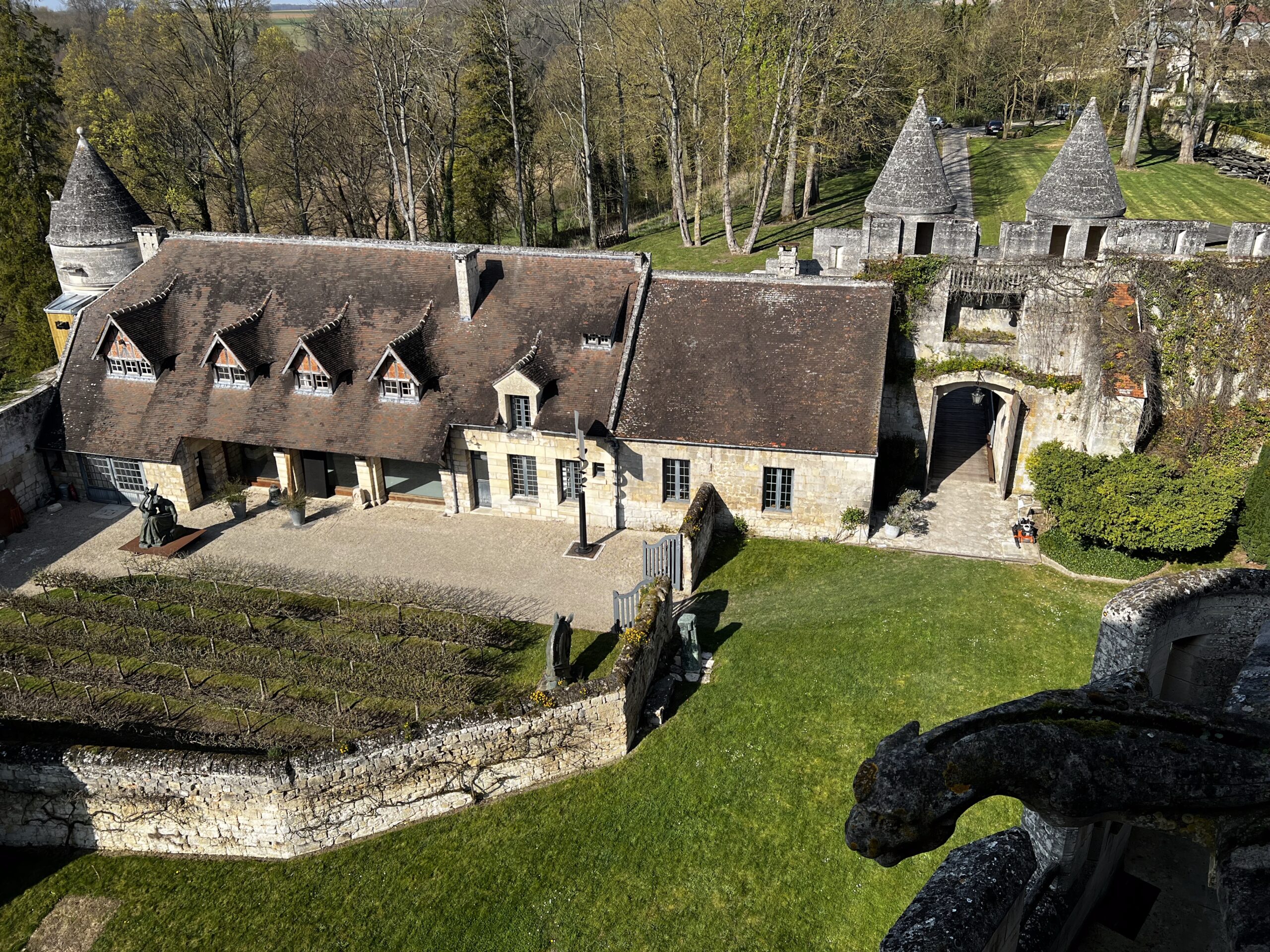
An open-air exhibition space, the Cour Bourdelle embodies the dialogue between nature and sculpture. Designed in 2000 by landscape architect Stéphane Ducoux around an apple orchard, it notably houses a bronze horse head by Antoine Bourdelle (on loan from the Musée Bourdelle in Paris).
This harmonious link between eras makes the Donjon de Vez today a unique interstice between the Middle Ages and modern art.
The walls
The castle enclosure is surrounded by ramparts approximately thirteen meters high, topped with walkways, also called curtain walls.
The gatehouse was located in the middle of one of these curtain walls. It was defended by two turrets ending in bell towers, as well as by a drawbridge. A moat separated the outer wall from the outer bailey, reinforcing this defensive system.
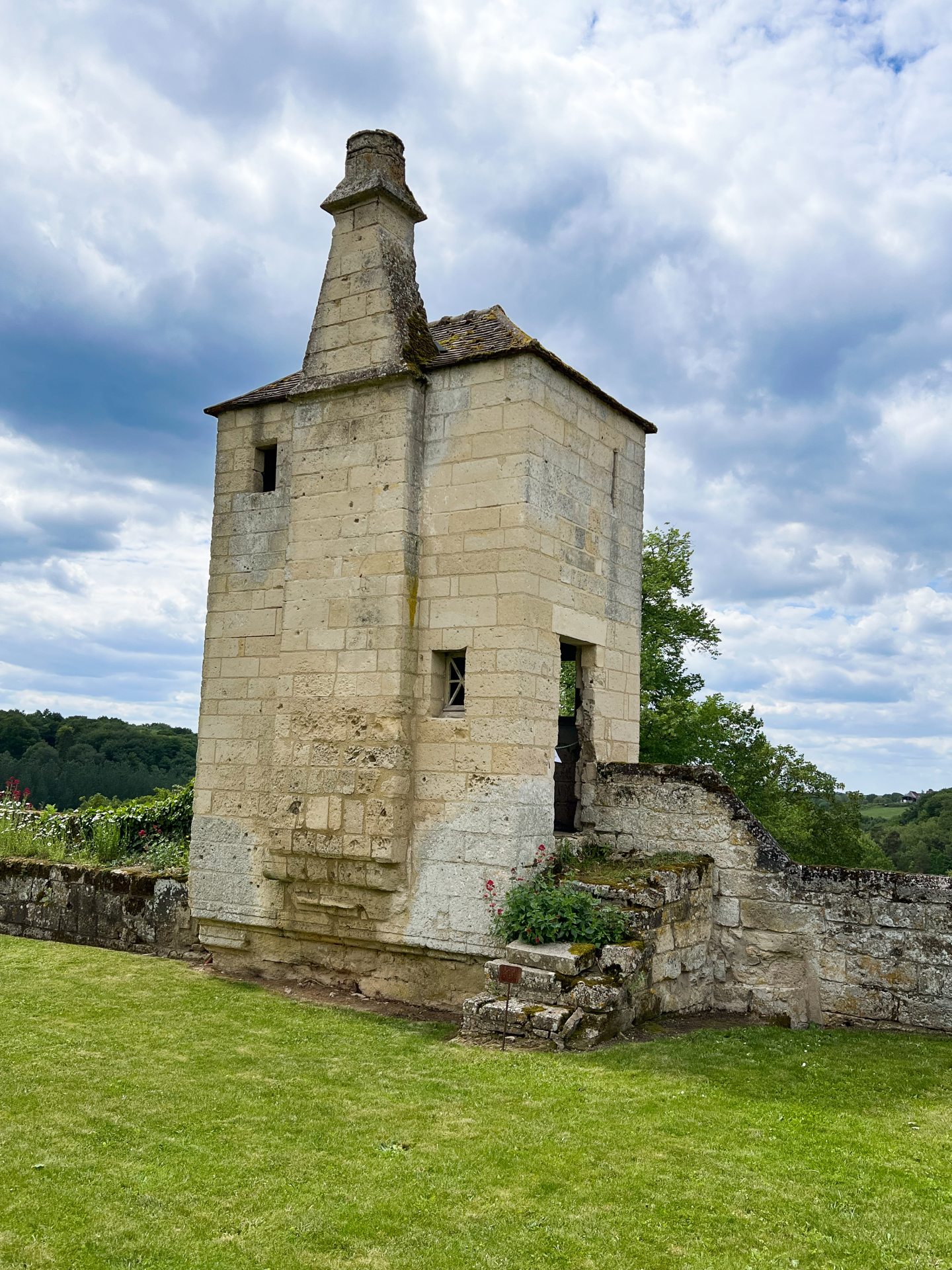
Two other turrets, built at the ends of the curtain walls, also contributed to the site's defense. They were accessed by a staircase. One of them collapsed in the 1950s.
Also noteworthy, leaning against one of the ramparts, is the Joan of Arc Tower, named for Joan of Arc's visit to Vez. She had traveled to the Valois region after learning that the Duke of Burgundy was seeking to seize several castles to link Flanders to his Burgundian domains. After reaching Crépy, she traversed the area from Senlis to Compiègne—a maneuver that the historian Gabriel Hanotaux describes as that of a "vigilant watchdog gathering its flock," prowling around the town.
Eugene Viollet-le-Duc
In the 19th century, medieval architecture was rediscovered thanks to the architect Eugène Viollet-le-Duc and the writer Prosper Mérimée (who became Inspector General of Historical Monuments in 1834).
Viollet-le-Duc produced numerous illustrations and texts on French medieval heritage which were listed in the Dictionnaire raisonné de l'architecture française du XIe au XVIe siècle and Dictionnaire raisonné du mobilier, written between 1854 and 1875.
Viollet-le-duc will devote a section of his Dictionnaire raisonné de l'architecture française du XIe au XVIe siècle to the Donjon de Vez.